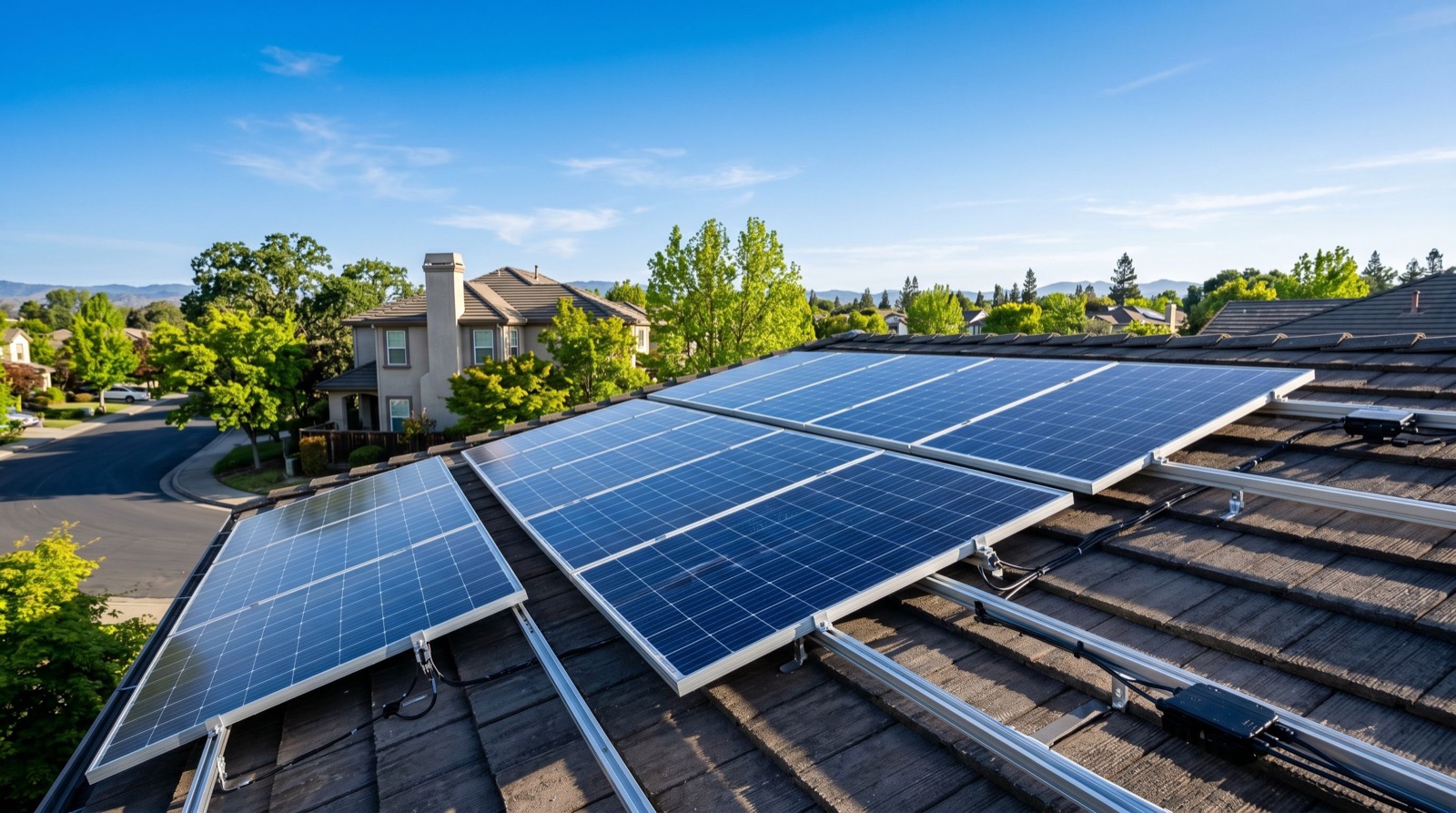

Solar Panels in Pakistan: 2026 Smart Buyer’s Guide
Choosing the right solar panels in Pakistan can mean the difference between decades of free power and a disappointing system that underdelivers. With grid tariffs climbing through 2026, more homes and businesses are switching, but panel technology has changed fast. This guide helps you buy smart, not just cheap.
We break down panel types, efficiency, warranties, and how to size an array for net metering. By the end you will know exactly what to look for before you spend a single rupee.
Understanding Solar Panels in Pakistan: Types That Matter
Not all panels are equal. The technology you pick affects output, lifespan, and how well the array performs in Pakistan’s intense heat. Three options dominate the 2026 market.
Mono PERC, N-type TOPCon, and Bifacial
- Mono PERC: proven, affordable, and efficient for most rooftops.
- N-type TOPCon: higher efficiency and better heat tolerance, now mainstream.
- Bifacial: captures reflected light from both sides for extra yield.
For hot Pakistani conditions, N-type panels increasingly win because they lose less output as temperatures rise. A knowledgeable solar company in Islamabad can recommend the best fit for your roof, climate, and budget.
Efficiency and Temperature: Why They Matter Here
Panel efficiency tells you how much sunlight becomes electricity. Modern panels range from 20% to over 22%, meaning more watts from the same roof area, a real advantage where space is tight.
Just as important is the temperature coefficient. Panels lose power as they heat up, and Pakistani rooftops routinely exceed 60°C in summer. Research from the National Renewable Energy Laboratory confirms that lower temperature coefficients translate directly into higher real-world yield in hot climates.
| Panel Type | Efficiency | Heat Tolerance | Best For |
|---|---|---|---|
| Mono PERC | 20–21% | Good | Budget rooftops |
| N-type TOPCon | 21.5–22.5% | Excellent | Hot climates |
| Bifacial | 21–23%* | Excellent | Ground mounts, white roofs |
*Bifacial gain depends on reflective surfaces behind the panels.
How Many Solar Panels Do You Need?
Sizing starts with your monthly units (kWh) and available roof space. A single modern 580W panel produces roughly 2.3–2.6 units per day in Pakistan’s sunshine.
- Check your bill: note average monthly units consumed.
- Divide by 30: find your daily unit requirement.
- Match to panels: size the array to cover daytime load plus net metering export.
- Confirm roof space: each kW needs about 70–90 sq ft unshaded.
A typical home using 600 units a month needs roughly a 5 kW array of nine to ten panels. When you shop for solar panels in Pakistan from a trusted supplier, confirm they are Tier-1 and carry genuine warranties.
Net Metering: Turning Surplus Into Savings
Net metering lets you export daytime surplus to the grid and draw it back later, slashing your bill. Distribution companies approve systems up to your sanctioned load under rules set by the national regulator.
To qualify, your panels and inverter must be certified and installed by approved professionals. Many homeowners rely on dependable specialists to handle the paperwork and inspection so approval goes smoothly.
- Bidirectional meter: records both import and export.
- Load matching: system size tied to your sanctioned load.
- Billing credits: exported units offset night-time consumption.
How Do You Spot a Quality Panel?
Beyond the label, a few checks separate genuine Tier-1 panels from repackaged seconds. Always verify the following before buying.
- Tier-1 manufacturer: bankable brands with proven track records.
- 25–30 year performance warranty: with low annual degradation.
- Verifiable serial numbers: traceable on the maker’s portal.
- IEC certification: independently tested for safety and output.
Common Buying Mistakes
The biggest mistake is chasing the lowest price per watt and ignoring quality. Cheap panels degrade faster, lose more output in heat, and often come with warranties no one will honor.
Another error is undersizing to save money upfront, only to discover the system cannot cover your real load. Size for today and a little growth, and insist on documented specifications.
Maintaining Your Panels for Peak Output
Panels need little care, but a few habits protect your yield. Dust is the biggest enemy in Pakistan, where dry months can coat panels and cut output by up to a quarter.
Clean panels every few weeks in dusty seasons using water and a soft brush, ideally early morning or evening when glass is cool. Avoid harsh chemicals or abrasive pads that can scratch the anti-reflective coating.
- Regular cleaning: removes dust, bird droppings, and pollen.
- Shade checks: trim trees and remove new obstructions.
- Visual inspection: look for cracks, hot spots, or loose clamps.
- Output monitoring: an app flags any sudden drop in generation.
Panels, Inverter, and Balance of System
Great panels underperform if the rest of the system is weak. The inverter converts DC to usable AC, and its efficiency and reliability directly shape your returns.
Match panel capacity to inverter rating, keep cable runs short and correctly sized, and insist on quality mounting. A balanced system, engineered as a whole, always beats a collection of mismatched bargain parts.
- Right-size the inverter: typically 1–1.3x array ratio for the climate.
- Choose a hybrid inverter if you plan to add batteries later.
- Verify monitoring: live data helps you catch faults early.
- Confirm warranty support: local service keeps downtime short.
Frequently Asked Questions
How long do solar panels in Pakistan last?
Quality panels last 25–30 years, with most carrying performance warranties guaranteeing around 87–92% output even after 25 years. Real-world lifespan often exceeds the warranty with proper cleaning and maintenance.
Are N-type panels worth the extra cost?
In Pakistan’s heat, usually yes. N-type TOPCon panels hold output better at high temperatures and degrade more slowly, delivering more lifetime units that typically justify the modest premium.
Can solar panels work during load-shedding?
Grid-tied panels alone shut off during outages for safety. To keep power flowing during load-shedding, pair your panels with battery storage or a hybrid inverter that supports backup mode.
How much roof space do I need?
Plan for roughly 70–90 square feet of unshaded roof per kilowatt. A 5 kW home system therefore needs about 350–450 square feet facing south for best year-round generation.
Final Thoughts
Buying the right solar panels in Pakistan in 2026 is about value over price. Prioritize Tier-1 quality, strong heat tolerance, verifiable warranties, and correct sizing for net metering. Partner with experienced installers, insist on genuine documentation, and your rooftop will deliver clean, cost-saving power for decades to come.