Online Tutoring in Islamabad: A 2026 Parent’s Guide
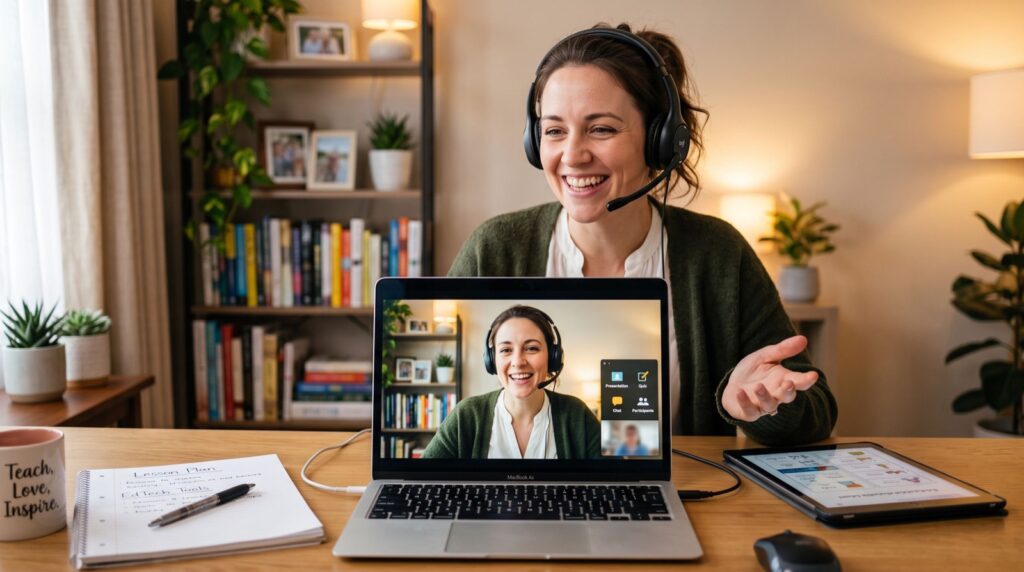
Online tutoring in Islamabad has moved from a pandemic-era stopgap to a mainstream choice for families across the twin cities. In 2026, parents want flexible schedules, measurable progress, and teachers who actually connect with their children. This guide walks you through what modern remote learning looks like, how to judge quality, and how to avoid the common traps that waste both money and study time.
I have spent years helping families set up study plans, and the pattern is clear. Students who thrive online are not the ones with the fanciest apps. They are the ones matched with the right teacher, on a steady routine, with parents who check in without hovering. Let us break down how you build that.
Why Online Tutoring in Islamabad Is Growing
Traffic, load-shedding recovery, and packed extracurricular calendars all eat into study hours. Remote sessions remove the commute and let a child learn from a calm, familiar room. That single change often adds five to seven usable hours to a week.
Access is the second driver. A family in Bahria Town can now work with a specialist physics teacher living in F-7 without anyone leaving home. When you widen the talent pool, you find the best tutors in Islamabad instead of settling for whoever lives nearby.
What Subjects Work Best Remotely
Almost everything works online now, but some subjects shine. Mathematics, accounting, and the sciences suit screen sharing and digital whiteboards. Language learning also translates well, and many families book online language classes for English, Arabic, and even French to give children an early edge.
How Do You Choose the Right Online Tutor?
This is the question I hear most, so let us answer it directly. A good match rests on four pillars: subject mastery, communication, structure, and accountability. Miss any one and progress stalls.
Start with a trial session. Watch whether the tutor listens more than they talk in the first ten minutes. Strong teachers diagnose before they prescribe. They ask what confuses your child instead of racing through a fixed script.
- Ask for a short diagnostic assessment before regular sessions begin.
- Confirm the tutor sends a brief summary after each class.
- Check that lesson goals map to your child’s actual exam board.
- Make sure make-up sessions are offered when a class is missed.
Reputable providers behave like quality service providers in any field: clear pricing, honest timelines, and no vague promises about overnight results.
Setting Up a Home Study Environment
Technology matters, but only up to a point. A stable connection, a headset, and a device with a working camera cover the basics. Beyond that, the physical setup does the heavy lifting.
Place the desk in a quiet corner, not the child’s bed. Keep water and paper nearby so the session never breaks for supplies. A second screen or a cheap graphics tablet helps enormously for maths and science.
A Simple Weekly Routine
- Fix two or three tutoring slots at the same time each week.
- Reserve a 20-minute review the day after each session.
- Schedule one short quiz every Friday to test retention.
- Hold a five-minute parent check-in every Sunday evening.
Consistency beats intensity. A child who studies 45 focused minutes three times a week outperforms one who crams for three hours once a month.
Comparing Online and In-Person Tutoring
Both formats work. The right choice depends on your child’s temperament, your budget, and your calendar. The table below sums up the trade-offs I see most often.
| Factor | Online Tutoring | In-Person Tutoring |
|---|---|---|
| Travel time | None | 30–60 minutes typical |
| Tutor choice | City-wide and beyond | Limited to nearby areas |
| Cost | Often lower | Higher due to travel |
| Hands-on subjects | Good with tools | Excellent |
| Scheduling | Very flexible | Less flexible |
Many families blend the two: online for weekday revision and occasional in-person sessions before big exams.
Measuring Real Progress in 2026
Do not judge tutoring by how busy your child looks. Judge it by outcomes. Track test scores, homework accuracy, and, most importantly, confidence. A child who starts explaining concepts back to you is genuinely learning.
Set a baseline in the first two weeks, then review every month. Research summarised by the OECD education directorate consistently links regular feedback with stronger student outcomes, and that holds true online. UNESCO guidance on digital learning, available through UNESCO’s digital education programme, echoes the same point about structured support.
Red Flags to Watch
Walk away if a tutor cannot explain a concept two different ways, dodges progress questions, or reschedules constantly. Your time is the scarce resource, not theirs.
Budgeting Smartly for Online Tutoring
Good tutoring does not have to strain the family budget. The trick is to spend on impact, not on hours. A focused specialist for two sessions a week often beats a cheaper generalist for four.
Start by listing the subjects where your child truly struggles. Fund those first. For subjects where your child only needs light polishing, group classes or recorded lessons can cover the gap at a lower cost.
Ask providers about monthly bundles, sibling discounts, and off-peak slots. Many families in Islamabad shave a fifth off their bill simply by booking morning weekend sessions instead of crowded weekday evenings.
Keeping Children Engaged Online
Attention is the real currency of remote learning. Short, varied activities hold focus far better than long lectures. A strong tutor mixes explanation, quick quizzes, and hands-on problems within a single session.
Screen fatigue is real, so build in a two-minute stretch break every 25 minutes. Celebrate small wins out loud, because visible encouragement fuels the next effort. When a child feels progress, motivation takes care of itself.
Finally, involve your child in choosing the tutor. A student who helped pick their teacher shows up with buy-in already in place, and that ownership carries them through the tougher weeks of the term.
Frequently Asked Questions
How much does online tutoring in Islamabad cost in 2026?
Rates vary by subject and level, but online sessions usually cost less than in-person ones because there is no travel. Ask for package pricing, since monthly bundles are often cheaper than paying per session.
Is online tutoring effective for younger children?
Yes, when sessions stay short and interactive. Children under ten do best with 30-minute classes, plenty of visuals, and a parent nearby for the first few weeks to build the routine.
What equipment do we need to start?
A laptop or tablet with a camera, a reliable internet connection, and a headset cover the essentials. For maths and science, add a cheap writing tablet so the tutor can see your child’s working.
Can one tutor cover several subjects?
Some can, especially at primary level. For senior classes, specialists usually deliver better results, so many families keep one tutor for sciences and another for languages.
Final Thoughts
Online tutoring in Islamabad rewards families who plan. Pick a teacher who listens, build a steady weekly rhythm, and measure progress with honest checkpoints. Do that in 2026 and you will see the difference not just in grades, but in the calm confidence your child brings to every exam.