Solar Installation for Pakistani Businesses: A 2026 Cost Guide
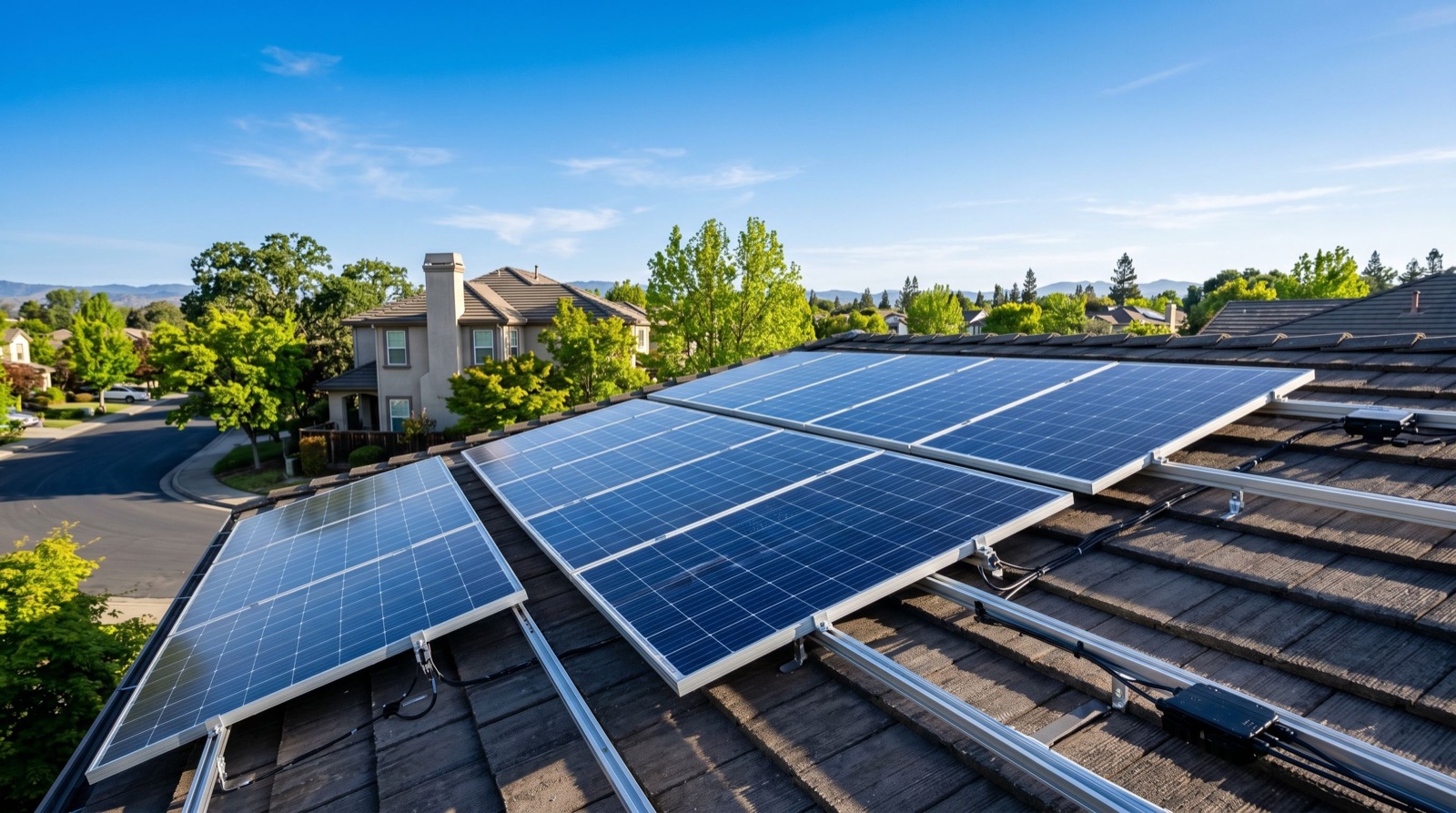
Rising grid tariffs and long load-shedding hours have pushed many owners toward a professional solar installation as the fastest way to protect the bottom line. In 2026, a well-designed rooftop system is no longer a luxury reserved for large factories; it is a practical, quickly recovered investment for offices, retail units, and service businesses. This guide explains what the numbers actually look like, how the sizing works, and how to choose an installer you can trust.
Whether you run a clinic, a warehouse, or a busy contact centre, electricity is one of your largest fixed costs. Switching daytime consumption to the sun changes that equation permanently, and it does so without the recurring diesel bills that eat into margins.
Why solar installation makes sense for offices in 2026
Commercial buildings consume most of their power during daylight hours, which lines up almost perfectly with peak solar production. That overlap is what makes rooftop generation so effective for businesses compared with homes that use most power after sunset.
Three forces are driving adoption this year:
- Tariff pressure: commercial per-unit rates have climbed steadily, so every self-generated unit saves more than it did a few years ago.
- Falling hardware prices: panel costs per watt have dropped sharply over the last decade, according to the International Renewable Energy Agency.
- Net metering: surplus daytime energy can be exported to the grid and credited against night-time use.
For always-on operations such as call centres, uptime is everything. A hybrid solar system paired with a battery keeps phones and servers live through outages, which is why the same care you would put into a dependable specialists guide for VOIP infrastructure should extend to your power supply too.
How much does a commercial solar installation cost?
Pricing depends on system size, panel tier, inverter type, and whether you add batteries. The table below gives realistic 2026 ballpark figures for a grid-tied commercial setup before net-metering savings.
| System size | Typical daily output | Best suited for | Payback window |
|---|---|---|---|
| 10 kW | 40–50 units | Small office / clinic | 3–4 years |
| 25 kW | 100–125 units | Retail chain / call centre | 3–5 years |
| 50 kW | 200–250 units | Warehouse / factory floor | 4–5 years |
Batteries add cost but buy resilience. If your revenue stops the moment the lights do, that resilience usually pays for itself.
What drives the price up or down?
- Panel efficiency and brand warranty length.
- Inverter type — string, hybrid, or micro.
- Roof complexity, shading, and mounting structure.
- Battery chemistry and storage capacity.
Sizing your system: a simple step-by-step
You do not need to be an engineer to sanity-check a quote. Follow these steps before you sign anything:
- Pull twelve months of electricity bills and note your average daily units.
- Identify how many of those units are consumed between sunrise and sunset.
- Divide daytime consumption by roughly four to estimate the kW of panels needed.
- Add a margin for future growth — new hires, extra servers, a second floor.
- Decide whether battery backup is essential or optional for your operations.
A reputable installer will run this analysis for you and show the working. If a vendor quotes a size without asking to see your bills, treat that as a warning sign.
Choosing a trustworthy installer
The hardware matters less than the hands that mount it. Poor wiring, weak mounting, or an undersized inverter can turn a good panel array into an underperforming one. Look for teams with verifiable local references and clear after-sales support.
Regional expertise matters because roof types, dust levels, and grid conditions differ across the country. Firms offering professional solar installation in Peshawar understand the northern climate and seasonal sun angles, while a specialist handling solar installation in Gujranwala will design around the industrial demand profile common in that belt. Matching the installer to the location protects your yield.
Questions to ask before signing
- What is the performance guarantee, and how is it measured?
- Who handles net-metering paperwork with the utility?
- What is the response time for service calls?
- Are the panels and inverter covered by manufacturer warranties?
Maintenance and long-term performance
Solar arrays are famously low-maintenance, but they are not zero-maintenance. Dust accumulation is the single biggest cause of lost output in our region, and a quick clean every few weeks can recover several percent of production.
Keep an eye on your monitoring app. A sudden dip in daily units usually points to shading, a dirty panel, or an inverter fault worth flagging early. The U.S. Department of Energy’s guide to going solar is a useful primer on realistic performance expectations over a system’s lifetime.
Solar versus diesel backup: the real cost
Many businesses still lean on diesel generators to ride out outages, but the running costs quietly compound. Fuel prices fluctuate, engines need servicing, and the noise and fumes are a constant nuisance for staff and neighbours alike.
Solar-plus-battery flips that model. Once installed, the fuel is free, the system is silent, and maintenance is minimal. Consider the practical differences:
- Fuel cost: diesel is a recurring expense; sunlight is not.
- Maintenance: generators need regular oil, filter, and part changes; panels need only cleaning.
- Reliability: batteries switch over instantly, with no crank-up delay.
- Environment: zero on-site emissions versus continuous exhaust.
For a business that runs the generator for several hours a day, the annual fuel bill alone can rival a chunk of a solar system’s cost. Over a five-year horizon, the numbers rarely favour diesel as the primary solution.
Financing your commercial system
You do not always need to pay the full amount upfront. Many established installers now offer instalment plans or connect you with financing partners, so the monthly savings can offset the repayment. That structure lets you protect working capital while still capturing the benefits from day one.
Before committing, model three scenarios — full upfront, financed, and phased (panels first, batteries later). Compare the total cost of ownership across each, not just the initial outlay. A transparent installer will help you build that comparison rather than pushing a single option.
Frequently Asked Questions
How long does a commercial solar installation take?
Most small-to-medium systems are installed within three to seven working days once materials arrive. Net-metering approval can add a few weeks, but your system generates savings from day one regardless.
Will solar work during load-shedding?
A grid-tied-only system shuts off during outages for safety. If you need power through blackouts, choose a hybrid system with battery backup so critical loads stay live.
How much can a business really save?
Businesses that shift most daytime load to solar routinely cut electricity bills by 60–90%. The exact figure depends on your consumption pattern and system size.
Do panels get damaged by heat or dust?
Quality panels are built for harsh conditions and carry 25-year performance warranties. Dust reduces output temporarily but is easily cleaned; heat only marginally affects efficiency.
Final thoughts: start your solar installation plan now
A commercial solar installation in 2026 is one of the few upgrades that pays for itself within a handful of years and then keeps saving for decades. The path is straightforward: review your bills, size the system honestly, and hire an installer with a proven local track record and strong warranties.
Do the homework once, and you lock in predictable, lower energy costs while insulating your operations from the next tariff hike. Ready to move forward? Request a site survey and a written quote today, and let a qualified local team turn your rooftop into a working asset.