Walk through any solar market in Pakistan — Saddar in Rawalpindi, Hall Road in Lahore, or the dealer strips scattered across Kohat and Peshawar — and nearly every shop will promise a “Tier-1, A-grade, documents-available” panel. The phrase has been repeated so often that it has almost stopped meaning anything. Yet the gap between a genuine Tier-1 module and a convincing lookalike can amount to a decade of lost performance, a warranty that exists only on paper, and thousands of rupees per kilowatt when you eventually expand or resell your system.
This guide unpacks what the tier label really measures, which brands dominate Pakistani shelves in 2026, and the specific checks — on the datasheet, on the paperwork, and on the module itself — that separate the real article from grey-channel stock.
What “Tier-1” Actually Measures (Hint: Not Panel Quality)
The tier ranking most sellers wave around comes from Bloomberg New Energy Finance, and it was never designed as a quality certificate. BNEF’s list measures bankability — whether large, professionally financed power projects have used a manufacturer’s modules. It confirms that the factory is financially stable and ships at enormous scale. It says nothing about the individual carton sitting in front of you.
That distinction matters because factory-rejected and B-grade stock from famous manufacturers routinely leaks into unofficial trading channels. A module can carry a household name on its frame and still be a unit that failed flash testing, was refurbished after transit damage, or was produced for a market with looser tolerances. “Tier-1” on the flyer describes the company; it does not certify the pallet.
The Brands You Will Actually See on Pakistani Shelves
Five names cover the overwhelming majority of fresh imports right now: Jinko, Longi, JA Solar, Canadian Solar and Trina. Within those families, N-type TOPCon modules in the 575–620 watt class have largely displaced the older P-type PERC generation, and bifacial glass-glass variants are increasingly the default rather than a premium add-on. Before you buy solar panels in Pakistan, spend an hour confirming which of these ranges your dealer holds through official distribution rather than through a trader’s mixed container.
Official-channel stock usually costs a few rupees more per watt. That premium is not padding — it is the price of a serial number the manufacturer will actually recognise if you ever need to file a claim. Grey stock may work perfectly for years, but the moment something goes wrong, you discover you own an orphan.
How to Read a Datasheet in Five Minutes
You do not need an engineering degree to filter out weak modules. Four numbers do most of the work:
- Power tolerance: quality modules state 0/+5 W, meaning every unit delivers at least its nameplate rating. A tolerance written as ±5 W or ±3% is a quiet admission that some panels under-deliver from day one.
- Temperature coefficient: look for roughly −0.30%/°C on N-type cells. In a Pakistani June, when rooftop module temperatures cross 65°C, a weak coefficient silently shaves output every single afternoon.
- Degradation schedule: current N-type warranties typically promise no more than 1% loss in the first year and around 0.4% annually afterwards, leaving 87–89% of rated output after three decades. Older or downgraded stock often carries the laxer 2% first-year and 0.55% annual curve.
- Warranty split: the product warranty covering build defects should run 12–15 years, separate from the 25–30 year performance warranty. A seller who quotes only “25-year warranty” without splitting the two is usually concealing a short product term.
The Paperwork That Separates Genuine From Grey
Documents are where lookalikes fall apart. Start with serial verification: every major manufacturer now operates an online portal or scanning service where the barcode on the module confirms its production record, wattage bin and destination market. Run this check on at least two random panels from your actual pallet, not the display piece at the counter.
Then ask for the customs goods declaration matching the shipment, a warranty card stamped by the authorised Pakistani distributor, and a sales invoice with your specific serial numbers written on it. Each item takes a legitimate importer minutes to produce. A dealer who hesitates over serials has already answered your real question.
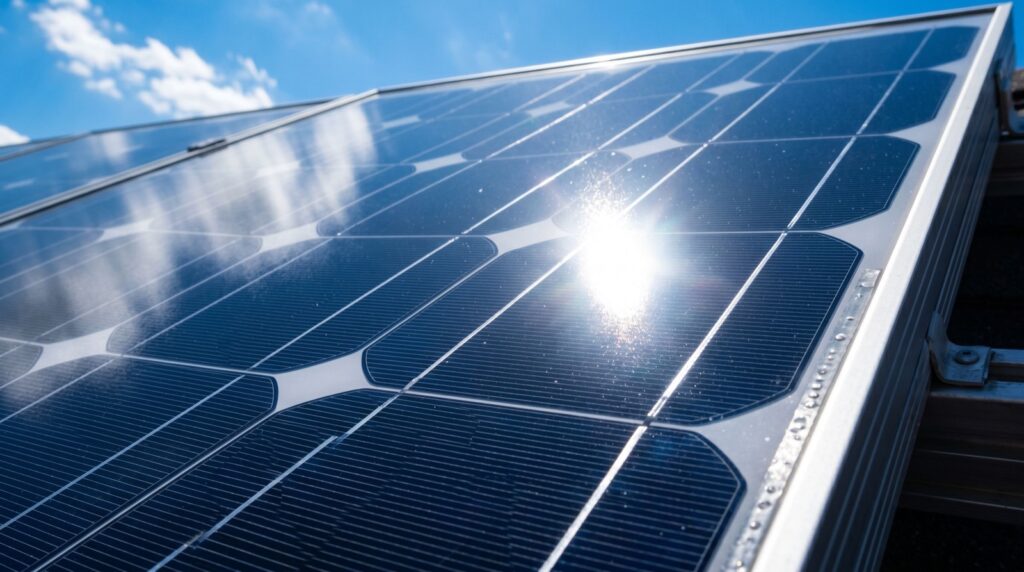
A quick physical inspection rounds out the vetting. Check that frame corners are cleanly joined, the junction box is sealed without excess silicone smears, and the glass shows no snail trails or discoloured cell edges. Repackaged or transit-damaged units frequently betray themselves at the frame long before they fail electrically.
What a Fair Price Signal Looks Like
Price itself is a diagnostic tool. Legitimate official-channel modules of the same wattage class trade within a narrow band across a city on any given week, because every honest importer faces the same landed cost. When one quotation sits dramatically below that band, you are not looking at a bargain — you are looking at a question mark wearing a price tag. Ask why, and expect a specific, checkable answer: a clearance of last season’s wattage bin, a bulk deal with documentation intact, or a distributor promotion you can confirm by phone. “Boss, we have our own sources” is not an answer; it is the whole problem, stated politely.
Do Not Let the Roof Undo the Panel
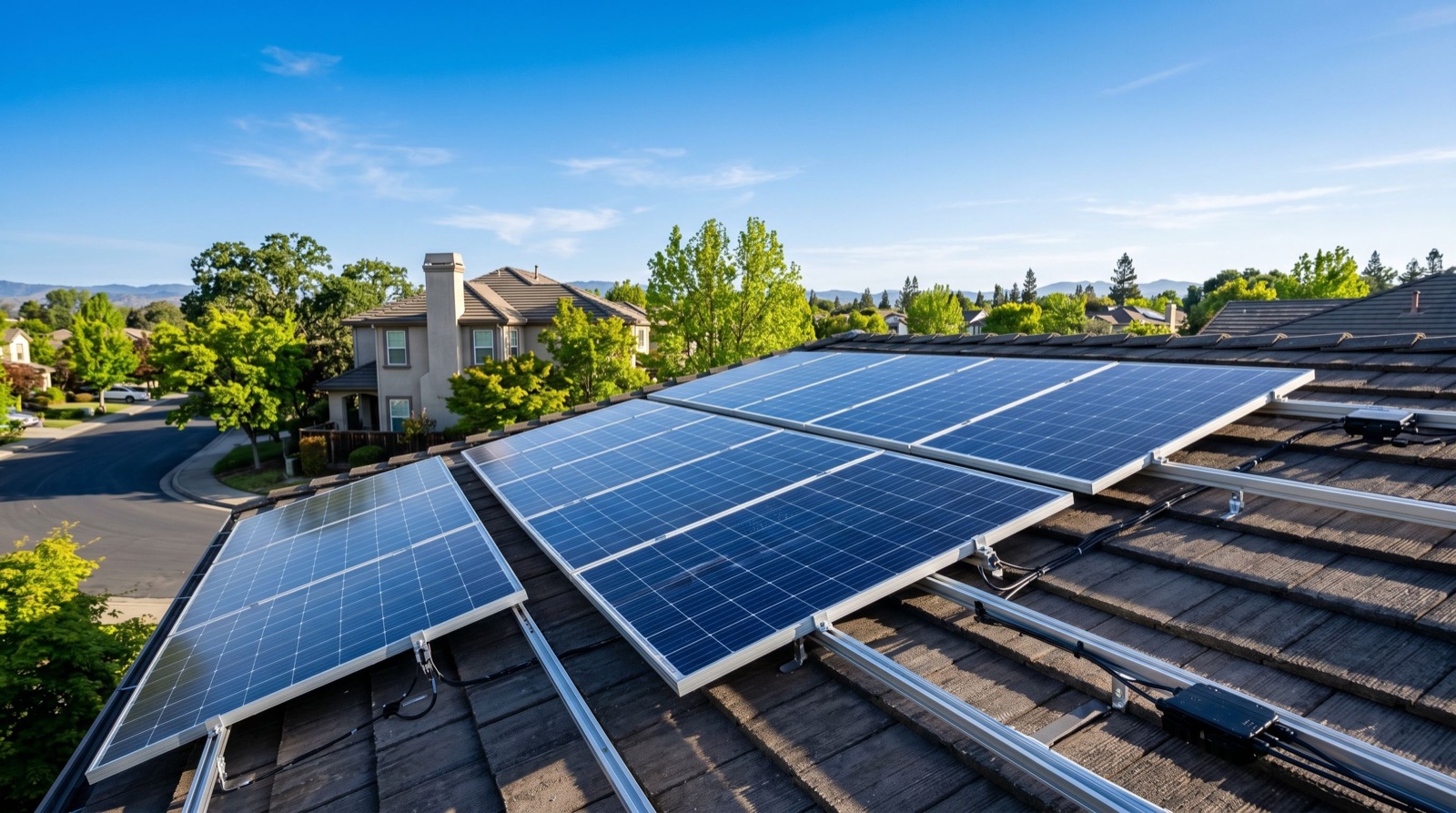
Authenticity solves only half the equation. A genuine 610-watt module clamped onto a shaded, badly angled structure with undersized DC cable will be outperformed by a cheaper panel that was mounted with care. Earthing, string design, connector quality and the ventilation gap beneath the modules all decide whether the datasheet numbers survive contact with your roof, which is why the solar installation deserves the same scrutiny you gave the carton label.
A practical test when interviewing installers: ask for the addresses of systems they commissioned two summers ago, and whether those customers will take your call. Fresh installs all look tidy. What you want to know is how the workmanship — and the after-sales attitude — has aged through two monsoons and two Junes.
A Habit Worth Carrying Into Every Big Purchase
None of this vigilance is unique to solar. It is the same document-first discipline that careful property buyers apply when screening quality service providers before committing to a plot: verify first, pay second, and treat every reluctance to show paperwork as information in itself.
The encouraging news is that Pakistan’s solar market is maturing quickly. Authorised distributors now publish verification tools, serious dealers advertise serial-checkable stock as a selling point, and buyers who insist on documentation are no longer treated as difficult customers. The lookalikes have not disappeared — they have simply migrated toward the buyers who never ask questions.
Refuse to be one of them. An hour spent checking tiers against reality, reading four lines of a datasheet, and scanning two barcodes is the cheapest insurance policy available anywhere in the solar industry, and it costs you nothing but curiosity.